

Black Drum
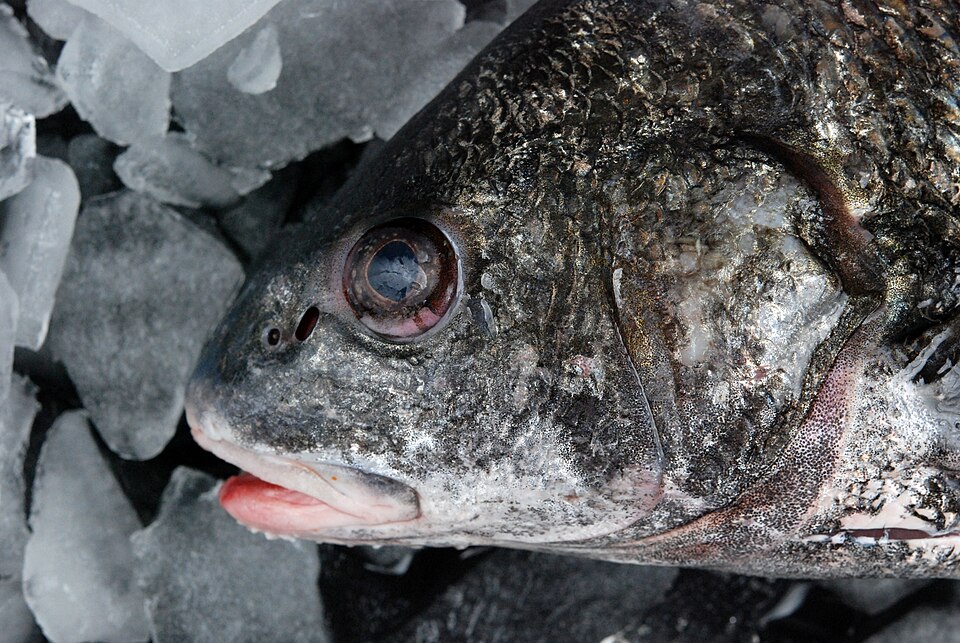
A heavy-bodied cousin of the red drum that grubs along the bottom for crabs and shellfish. Not flashy, but a fifteen-pound fish on a bottom rig will make a believer out of any beginner.
Black drum have a deep, humpbacked body, a blunt snout, and a chin full of short whisker-like barbels that they use to feel for food on the bottom. Color runs silvery gray to bronze or almost black, and young fish show four or five dark vertical bars down the sides that fade as the fish matures. Big adults often turn a uniform dull gray or brown with no bars at all.
The lookalike that trips people up most is the red drum, or redfish. Red drum lack chin barbels entirely, and they almost always have at least one black spot near the base of the tail, sometimes several. Black drum have no tail spot and do have that fringe of barbels under the jaw, which is the fastest way to tell them apart. Black drum are also chunkier and rounder-bodied than the more torpedo-shaped redfish. Sheepshead can also cause confusion in young, striped black drum, but sheepshead have prominent human-like front teeth and a narrower, flatter face, while black drum have a blunt nose and no visible front teeth, just crushing plates in the back of the throat for grinding shellfish.
The app forecasts these conditions for your spot, and learns which ones you catch on.
Season
Where it lives
Black drum live in bays, sounds, and inlets, usually right on the bottom over oyster rock, shell beds, and mud. They tolerate murky water and don't mind brackish conditions, so you'll find them well up into tidal rivers as well as around bridge pilings, jetties, and channel edges near the coast.
Big schools stack up around inlets and bridge structure in spring, and smaller "puppy drum" sized black drum mix in with reds around docks and grass flats through much of the year.
What it eats
Crabs, shrimp, clams, and other shellfish make up most of their diet. Black drum have thick chin barbels and a set of crushing plates in their throat built for grinding up shells, and they feed with their nose down, rooting along the bottom rather than chasing bait in the water column.
How to catch it
Fish the bottom with a fish-finder rig or a simple Carolina rig, a decent-sized weight to hold in current, and fresh cut shrimp or a whole blue crab cut in half. Cast it near oyster rock, bridge pilings, or a channel edge and let it sit. Black drum are not lure fish for the most part. They find bait by scent, so give it time and don't work the rig too much.
In spring, target the big spawning schools around ocean inlets in North Carolina and South Carolina, where fish over 30 pounds show up but even beginners can hook one on stout tackle. The rest of the year, smaller drum in the slot size range show up on the same flats and docks where you'd fish for red drum, and a simple bottom rig with shrimp will catch both.
- What do black drum eat?
- They feed mostly on crabs, shrimp, clams, and other bottom shellfish, using their chin barbels to find food buried in sand or mud. They have strong crushing teeth in the back of their throat built for cracking shells.
- How big do black drum get?
- Most fish caught are in the 5 to 20 pound range, but black drum can top 90 pounds and are one of the largest members of the drum family. Fish over 30 pounds are usually old, and their meat gets tougher and wormier as they age, so most anglers keep the smaller ones.
- When is the best time to catch black drum?
- Spring is prime time, when big schools move into bays, channels, and inlets to spawn. They stay catchable through summer and fall, and in cooler months they group up in deep holes and channels.
- What is the best bait for black drum?
- Fresh cut or live shrimp and crab are the top baits, fished right on the bottom since black drum feed by smell and feel rather than sight. Clams and cut fish also work well, especially for bigger fish.
- Are black drum good to eat?
- Smaller black drum, under about 10 pounds, have firm white meat and are good eating. Larger fish tend to be tough and often carry spaghetti worms in the flesh, which are harmless to eat but unappealing, so most anglers release the big ones.
- Do black drum fight hard?
- They are not fast or flashy, but they are strong, stubborn fighters that dig for the bottom and use their weight against you. A big black drum feels more like a slow, heavy tug of war than a sprint.