

Gulf Flounder
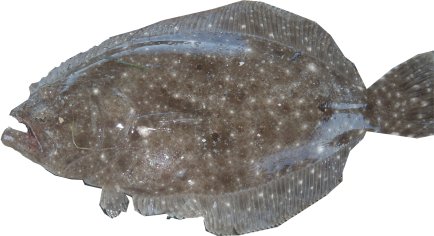
A flatfish built for ambush, lying buried in sand with both eyes on the lookout. Gulf flounder are strong table fare and a favorite of anglers who like to sight-fish skinny water.
Gulf flounder are flatfish with both eyes on the left side of a diamond-shaped body, brown to sandy in color with dark spots that let them vanish against a sandy bottom. The best field mark is a set of three dark, eyespot-like spots arranged in a triangle on the body, one near the lateral line and two behind it. Those spots are the giveaway when you compare it to its closest lookalike, the summer flounder, which has smaller and more scattered spots without that clean triangle pattern.
Southern flounder is the other common mix-up. Southern flounder run larger, lack the distinct triangle of spots, and tend to show a plainer, more uniform brown color. Gulf flounder rarely reach the size southern flounder do, so a big flatfish pushing past five or six pounds is more likely a southern than a Gulf. Checking the tail can help too: Gulf flounder have a slightly more pointed caudal fin compared to the rounder tail of a summer flounder.</identification_md> <parameter name="faqs">[{"question": "When do Gulf flounder spawn?", "answer": "They spawn offshore in fall and winter, moving out of bays and nearshore waters to deeper water to do it. After spawning, juveniles drift back into estuaries in late winter and spring."}, {"question": "What do Gulf flounder eat?", "answer": "Small baitfish, shrimp, and crabs make up most of their diet. They are ambush feeders, burying into sand or mud with just their eyes exposed and darting out to grab anything that swims past."}, {"question": "What is the best time to catch Gulf flounder?", "answer": "Late summer through fall is prime time, especially as they stage in passes and channels before the fall spawning run. Fishing on a moving tide near sandy bottom, drop-offs, or grass edges usually produces the best action."}, {"question": "How big do Gulf flounder get?", "answer": "Most run one to three pounds, with a big one pushing four or five. They stay noticeably smaller than southern flounder, which can top ten pounds."}, {"question": "Are Gulf flounder good to eat?", "answer": "Yes, they have mild, firm white fillets and are one of the better-eating flatfish around. Many anglers rate them right up there with summer and southern flounder."}, {"question": "Do I need to worry about regulations before keeping one?", "answer": "Yes. Flounder seasons, size limits, and bag limits are common and change from year to year, so check current local regulations before you keep any flounder."}]
The app forecasts these conditions for your spot, and learns which ones you catch on.
Season
Where it lives
Gulf flounder live over sandy bottom in shallow coastal water: inlets, sand flats, the mouths of creeks, and the surf near sandbars. They prefer cleaner, sandier ground than their cousin the southern flounder, which leans more toward mud and marsh. Look for them near drop-offs where a flat meets a channel, around jetty rocks, and along sandbars just outside the breakers.
They are most common in North Carolina south of Cape Hatteras, and get more numerous as you head into South Carolina. In winter they move offshore to deeper water and reefs, then push back into the shallows as things warm up.
What it eats
Ambush feeders. A Gulf flounder buries itself in sand with just its eyes showing and waits for baitfish, shrimp, or small crabs to pass close, then explodes up to grab it. They do not chase far. Minnows, mullet, mud minnows, and shrimp make up most of the diet.
How to catch it
Fish slow and low. A live mud minnow or finger mullet on a Carolina rig, bounced or dragged very slowly across sandy bottom near a drop-off, is the standard approach. Give a flounder time. They often mouth the bait before committing, so when you feel the thump, drop the rod tip, count to five, then reel down and set. Setting too fast pulls the bait away from a fish that has not fully turned it.
Gulf flounder respond well to gigging too, since they sit still and shallow. Wading a sand flat at night with a light and a gig is a common way to take them in clear water. On rod and reel, target sandy points, the edges of sandbars, and inlet mouths on an incoming tide, when bait gets pushed up onto the flats and flounder stack up to intercept it.
- placeholder
- placeholder