

Southern Flounder
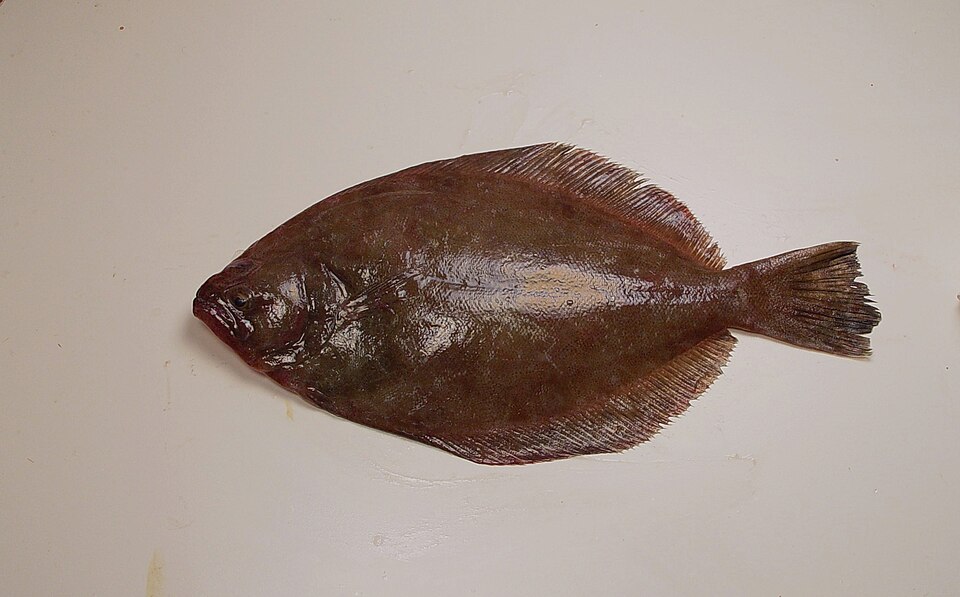
A flatfish that lies buried on the bottom waiting to ambush baitfish. Southern flounder are prized table fare on the Carolina and Virginia coasts, but their camouflage and sideways attack make them trickier to pattern than most inshore fish.
Southern flounder are flatfish that lie on their left side, with both eyes on the top (dark) side of the body. Color runs dark brown to gray-green with faint, irregular blotches and spots, and the fish can shift shade to match the bottom it is sitting on. The most common mix-up is with other left-eyed flounders like summer flounder and Gulf flounder. Southern flounder lack the sharp, ringed "eye spots" (ocellated spots) that summer flounder show clearly along the body. Gulf flounder, by contrast, usually have three distinct dark spots arranged in a triangle pattern on the top side, which southern flounder do not have.
Body shape is another tell. Southern flounder are broader and more diamond-shaped than summer flounder, which run a bit more elongated. Mouth size is large on both species, with teeth sharp enough to matter when you unhook one, so this feature does not separate them well. If you are unsure, count anal fin rays or check for eye spots first: no sharp rings and no triangle pattern usually means southern flounder.</identification_md"> <parameter name="faqs">[{"question": "When do southern flounder spawn?", "answer": "They spawn in fall and early winter, moving offshore into deeper coastal or nearshore waters to do it. After spawning, juveniles drift back into estuaries and marshes to grow."}, {"question": "What do southern flounder eat?", "answer": "Mostly small fish like mullet, minnows, and shrimp. They are ambush feeders, so they bury in sand or mud and wait for prey to swim past before striking."}, {"question": "When is the best time to catch southern flounder?", "answer": "Fall is the top season, especially when flounder stage near inlets and passes before their spawning run offshore. Warmer months are also productive if you fish moving tides around structure and drop-offs."}, {"question": "How big do southern flounder get?", "answer": "Most fish caught run 14 to 20 inches, but they can reach 8 pounds or more. Anything over 5 pounds is considered a big one."}, {"question": "Are southern flounder good to eat?", "answer": "Yes, they have mild, firm white fillets and are one of the more popular flatfish on the table. Their size makes them easier to fillet than smaller flatfish species."}, {"question": "Are there size or bag limits on southern flounder?", "answer": "Yes, most coastal states with southern flounder regulate them with minimum size limits and daily bag limits, and some close the season during the fall spawning run. Check local regulations before you keep any."}]
The app forecasts these conditions for your spot, and learns which ones you catch on.
Season
Where it lives
Flounder live on soft mud and sand bottoms in bays, inlets, sounds, and the lower reaches of tidal creeks. They bury themselves with just their eyes exposed, usually near a change in bottom structure: a channel edge, a drop-off, a sandbar, or a current break next to a dock or bridge piling.
In North Carolina look for them around inlets and in sounds like Pamlico and Bogue during the warmer months. As water cools in fall, they move out through the inlets toward the ocean to spawn offshore, which makes inlets and channels leading out to sea some of the best fall fishing spots.
What it eats
Flounder are ambush predators. They eat mostly small baitfish like mullet, menhaden, and mud minnows, along with shrimp and other crustaceans. They do not chase far. Instead they let prey come close, then explode upward and sideways to grab it, usually swallowing it headfirst.
How to catch it
Fish slow and close to the bottom. A Carolina-rigged live mud minnow or finger mullet, dragged just fast enough to keep it moving, is the classic approach along channel edges and drop-offs. Give a flounder time after the bite. They often mouth the bait sideways before turning it to swallow, so wait a few seconds before setting the hook instead of striking on the first tap.
Soft plastic paddletails and jigs bounced slowly along the bottom near structure also work well, especially around docks, bridge pilings, and the mouths of feeder creeks on a moving tide. Fall run at the inlets, when flounder stage up before heading offshore, is the most productive and popular time to target them in North Carolina.
- When do southern flounder spawn?
- They spawn in fall and early winter, moving from bays and estuaries out to nearshore and offshore waters to do it. After spawning, juveniles drift back into the estuaries to grow up in the shallows.
- What do southern flounder eat?
- Mostly small fish like mullet, minnows, and shrimp. They are ambush predators that bury in sand or mud and dart out to grab prey passing overhead.
- What is the best time to catch southern flounder?
- Fall is the best window, when flounder feed heavily and stack up near inlets and passes before their spawning migration. Falling tides that pull bait out of the marsh are especially productive.
- How big do southern flounder get?
- Most fish caught run 14 to 20 inches, but they can reach 20 to 25 inches and several pounds. Females grow larger than males, and any flounder over five pounds is a big one.
- Are southern flounder good to eat?
- Yes, they are one of the better-tasting flatfish, with mild, white, flaky meat. That is a big part of why they get so much fishing pressure.
- Are there size or bag limits on southern flounder?
- In most places, yes. Populations have declined in parts of their range, so minimum size limits, bag limits, and closed seasons are common. Check local regulations before you keep any.